Osmotic Fragility Test
Osmotic Fragility Test
The Osmotic Fragility Test evaluates the stability of red blood cells when exposed to varying salt concentrations. Red blood cells with weak or abnormal membranes break easily under osmotic stress. This test helps detect red blood cell membrane disorders, especially hereditary spherocytosis and certain types of anaemia. It supports accurate diagnosis for patients in Pune, Maharashtra.
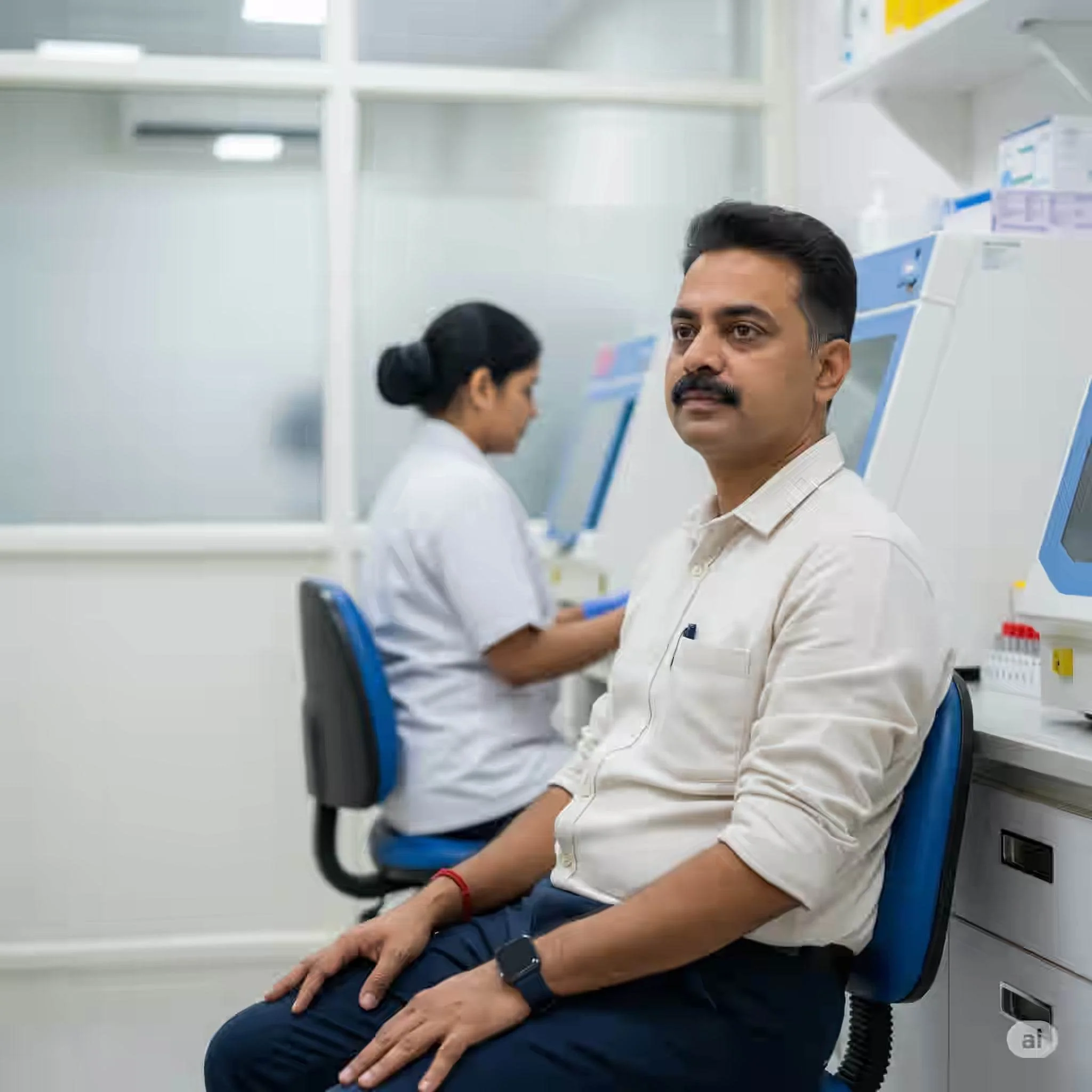
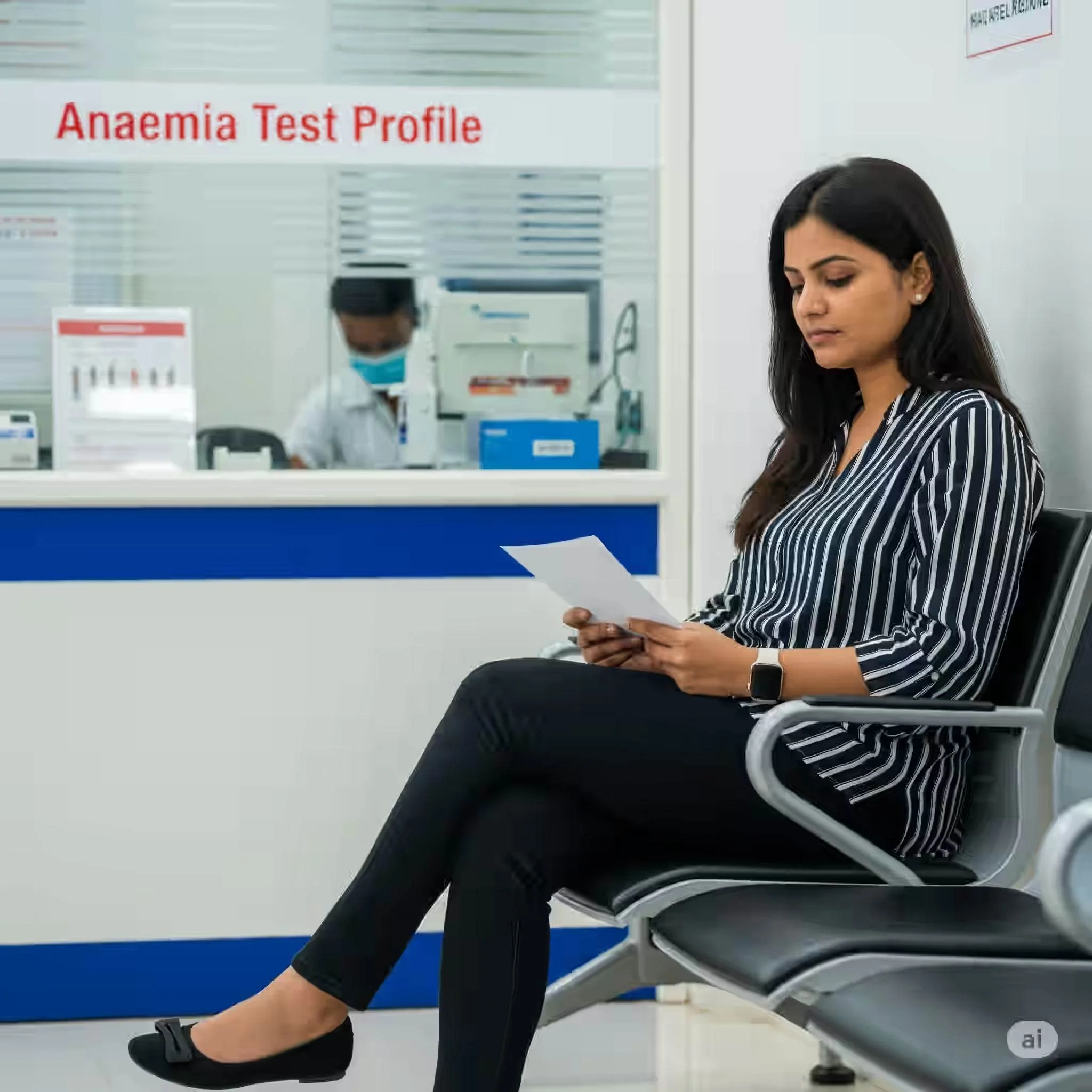
This test is available through Home Collection Facility or Direct Walk-in Facility at healthcare nt sickcare. A blood sample is collected and analysed in the laboratory to measure red cell resistance to osmotic pressure. No fasting is required unless advised by your clinician.
Why this test is advised
Direct Answer: This test is advised to detect red blood cell membrane abnormalities and confirm specific inherited or acquired anaemias.
Test preparation
No fasting or special preparation is required before sample collection.
Related patient resources
- Lab test preparation guides
- Our diagnostic services
- Compare diagnostic checkups
- Educational health articles
Learn more about red blood cell membrane disorders
For general medical information on hereditary spherocytosis and related tests, visit: Hereditary Spherocytosis Information.
Frequently Asked Questions
When should I take the Osmotic Fragility Test?
This test is recommended when doctors suspect hereditary spherocytosis or unexplained haemolytic anaemia.
Why is this test advised by a clinician?
It helps confirm red blood cell membrane weakness and supports diagnosis of inherited blood disorders.
Is fasting required before this test?
No fasting is required. You may eat and drink normally before the test.
What symptoms may indicate the need for this test?
Pale skin, jaundice, frequent tiredness, enlarged spleen, or chronic anaemia may prompt this test.
Disclaimer: Information provided for the Osmotic Fragility Test is for general awareness only and does not replace medical consultation. Please refer to our Disclaimer Policy.
Original: $1,099.00
-70%$1,099.00
$329.70Product Information
Product Information
Shipping & Returns
Shipping & Returns
Description
Osmotic Fragility Test
The Osmotic Fragility Test evaluates the stability of red blood cells when exposed to varying salt concentrations. Red blood cells with weak or abnormal membranes break easily under osmotic stress. This test helps detect red blood cell membrane disorders, especially hereditary spherocytosis and certain types of anaemia. It supports accurate diagnosis for patients in Pune, Maharashtra.
This test is available through Home Collection Facility or Direct Walk-in Facility at healthcare nt sickcare. A blood sample is collected and analysed in the laboratory to measure red cell resistance to osmotic pressure. No fasting is required unless advised by your clinician.
Why this test is advised
Direct Answer: This test is advised to detect red blood cell membrane abnormalities and confirm specific inherited or acquired anaemias.
Test preparation
No fasting or special preparation is required before sample collection.
Related patient resources
- Lab test preparation guides
- Our diagnostic services
- Compare diagnostic checkups
- Educational health articles
Learn more about red blood cell membrane disorders
For general medical information on hereditary spherocytosis and related tests, visit: Hereditary Spherocytosis Information.
Frequently Asked Questions
When should I take the Osmotic Fragility Test?
This test is recommended when doctors suspect hereditary spherocytosis or unexplained haemolytic anaemia.
Why is this test advised by a clinician?
It helps confirm red blood cell membrane weakness and supports diagnosis of inherited blood disorders.
Is fasting required before this test?
No fasting is required. You may eat and drink normally before the test.
What symptoms may indicate the need for this test?
Pale skin, jaundice, frequent tiredness, enlarged spleen, or chronic anaemia may prompt this test.
Disclaimer: Information provided for the Osmotic Fragility Test is for general awareness only and does not replace medical consultation. Please refer to our Disclaimer Policy.